
PAW Patrol Academy NETFLIX
Netflix, Inc.Educational
4.221.00 Reviews
- Version
- 1.4.1
- Installs
- 500.00K
- Age Rating
- Everyone
Screenshots
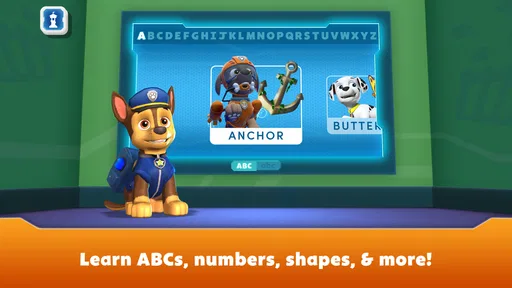
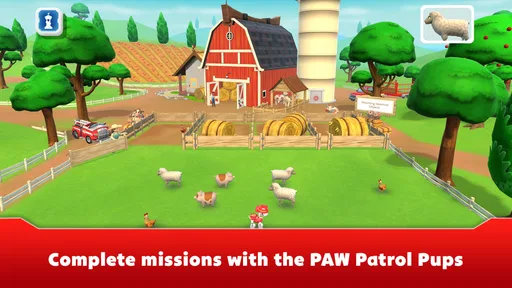
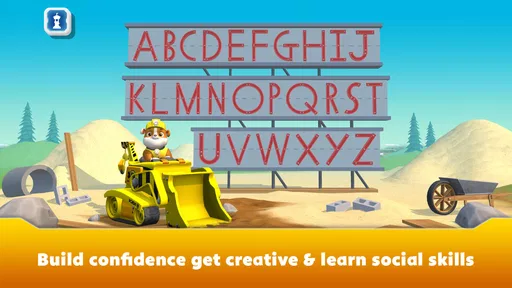
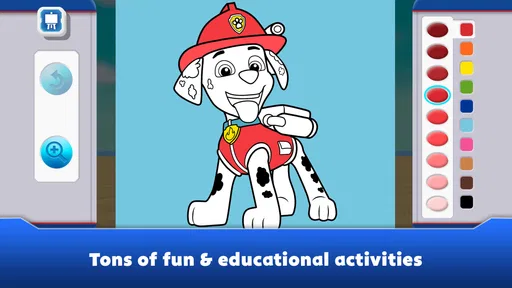
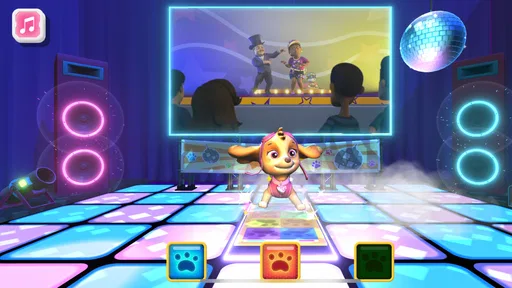
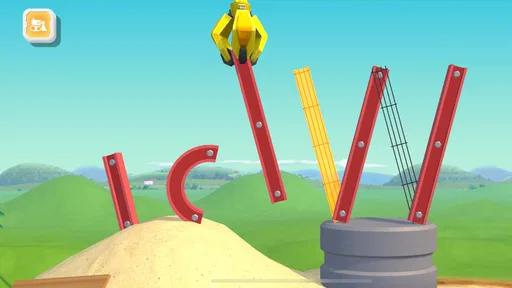
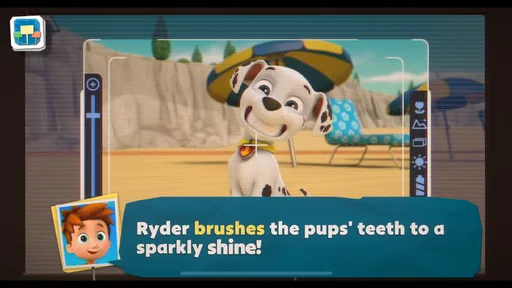
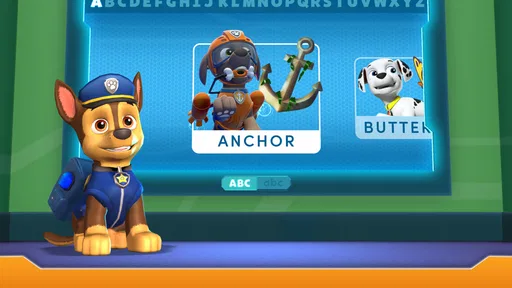
Our Review of PAW Patrol Academy NETFLIX
 Analysis by Appyee
PAW Patrol Academy NETFLIX presents itself as a gentle learning game for children, but its real appeal is the way it turns the familiar PAW Patrol world into a collection of short, approachable activities. I spent time with it as an educational game rather than treating it like a conventional action title, and my first impression was clear: this is designed to feel welcoming before it asks a child to think. The colorful presentation, recognizable characters, and simple rhythm make it easy to approach without a long explanation from an adult.
The game is developed by Netflix, Inc. and is available free of charge. It is listed for Everyone, which fits the soft tone and child-focused presentation. It launched on November 4, 2025, and the current version is 1.4.1, with support for devices running Android 8.0 or later. Those practical details matter because parents often want to know whether an older family tablet can handle a new children’s title before making space for it.
What I like most is that the educational purpose does not arrive as a worksheet disguised as entertainment. The activities are framed as play, and that makes the first few minutes less intimidating for children who might resist a more obviously academic app. At the same time, parents should understand what this is: a set of mini-game experiences inside a PAW Patrol setting, not a complete early-learning curriculum or a deep adventure game.
A bright first impression that lowers the barrier to learning
The opening experience is built around recognition. Children already familiar with the PAW Patrol characters can understand the game’s invitation almost immediately, while newcomers can still follow the visual cues without needing much background. The art direction uses a friendly, polished cartoon look, with strong colors and clear shapes that help each activity feel separate without making the overall package feel disjointed.
That visual clarity is more important than it may seem. In children’s games, an attractive screen can quickly become too busy, especially when several characters, buttons, effects, and instructions compete for attention. Here, the PAW Patrol identity provides a consistent visual anchor. I found that the familiar setting helps the game feel like one connected place, even as the focus shifts between different mini-games.
The presentation also makes the game suitable for short sessions. A child can open it during a quiet break, play for a while, and stop without feeling that a long story has been interrupted. That is useful in everyday family life: it can fit into the few minutes before dinner, a waiting-room visit, or a calm activity after school. I would not use it as an automatic babysitter, but it works well when an adult wants to offer a contained, screen-based activity with some learning value.
One useful approach is to let the child explore first rather than immediately explaining every interaction. The game’s visual language is simple enough for children to test buttons and discover the flow. After that, I would ask what each activity was asking them to do. This turns the session into a small conversation about choices and problem-solving instead of leaving the child in passive screen time.
Why the setting matters more than the license alone
A familiar children’s license can attract attention, but it cannot carry a weak game by itself. In this case, the PAW Patrol setting does useful structural work. The characters make the mini-game academy feel like a place with a purpose, rather than a random menu of exercises. The rescue-team identity also supports a cooperative mood: the child is encouraged to participate in a friendly world where completing a task feels like helping the group.
I noticed that this atmosphere changes how the activities are perceived. A small mistake feels less like failure in a test and more like a moment to try again. That is a good fit for young players who are still developing confidence with touch controls. The game’s tone is reassuring rather than competitive, so it is more likely to suit a child who becomes frustrated by timers, rankings, or harsh penalties.
There is a trade-off, though. Children who want a large story, free exploration, or dramatic missions may find the academy structure limited. The setting gives the activities a coherent identity, but it does not automatically provide the depth of a full adventure. I would recommend it to families looking for guided play, not to children expecting a console-style PAW Patrol journey.
Art direction that supports recognition and focus
The visual design works best when it keeps the child’s attention on the immediate task. Character appearances and environmental details add charm, but the interface remains easier to read than a screen packed with decorative elements. That balance is one of the game’s strongest qualities. The world feels cheerful without constantly demanding attention through visual noise.
For a parent, this also makes shared play easier. You can glance at the screen and understand the general activity without needing to take over. I found that helpful when imagining the game in a family setting: an adult can offer a small hint, such as asking the child to look carefully at the shapes or sequence, rather than physically guiding every tap.
The best results will come from adjusting expectations around age and independence. The Everyone rating communicates a broad, family-friendly audience, but children within that audience will not all interact with the game in the same way. A younger child may need an adult nearby to interpret instructions or keep the session moving, while an older preschool or early-school player may enjoy more independent exploration.
Sound creates a soft, encouraging rhythm
The sound design contributes to the game’s welcoming mood. Rather than making every action feel urgent, the audio supports a calm sense of movement through the activities. That choice fits the educational category because it leaves room for attention and repetition. The game feels more like a guided play space than an arcade challenge built around constant pressure.
This matters during repeated attempts. When a child is learning a pattern or working out what an activity expects, an overly intense soundtrack can make mistakes feel dramatic. A softer rhythm gives the player time to recover and try again. In my experience, that makes the game easier to use during quiet household moments, particularly when the goal is concentration rather than excitement.
There is still a practical consideration for parents: sound is part of the experience, so playing with audio muted may reduce some of the game’s personality. On the other hand, a child may be using it in a shared space where loud effects are inconvenient. I would treat the sound as helpful atmosphere rather than essential instruction, and set the device volume according to the situation.
The combination of bright art and measured audio gives the game a consistent emotional tone. Neither element pushes the mechanics toward speed or competition. Instead, the presentation encourages a child to stay with an activity long enough to understand it. That coherence is easy to overlook, but it is one of the reasons the package feels more considered than a simple collection of branded taps.
Short activities make the pacing approachable
The pacing is built around the idea that children benefit from manageable pieces of play. Mini-games can be easier to understand than one large system with many rules, especially when a child is using a touchscreen independently for the first time. The academy format also makes it natural to change activities when attention starts to fade.
That structure is a strength for quick sessions, but it can become a limitation for children who prefer sustained progression. If your child enjoys building a character, exploring a map, or following a lengthy narrative, the short-form design may feel fragmented. I would compare it with traditional educational apps that often present a more obvious lesson path: this game offers a more playful atmosphere, while a dedicated learning platform may provide clearer academic sequencing.
One practical tip is to avoid judging the game by a single rushed session. A child may spend the first visit learning the visual language and discovering how the activities differ. On later visits, you can observe which types of challenges hold attention and use those moments to talk about the skill involved. The value is not only in completing an activity; it is also in noticing how the child approaches instructions, repetition, and correction.
Where the mechanics fit the mood
The mechanics are most convincing when they stay simple enough to let the setting and learning purpose work together. A child should be able to focus on the task rather than remembering a complicated control scheme. This is especially important on phones, where limited screen space can make small interface elements difficult for young hands.
I would still recommend trying the game on the device your child will actually use. A larger tablet can make visual details and touch targets more comfortable, while a smaller phone may be less suitable for independent play. That is not a flaw unique to this title, but it affects the experience more for children than it does for adults because precision and reading confidence are still developing.
The game is a good match for children who learn through repetition and visual feedback. It is less suitable for a child who needs detailed explanations, open-ended creative tools, or a clearly measurable lesson plan. In those cases, a specialized educational app may be the better option, even if it lacks the warmth and character appeal found here.
Another trade-off is parental involvement. The game is approachable, but approachable does not always mean completely self-explanatory for every child. I would expect some children to move through it independently, while others may benefit from a parent sitting nearby during the first session. That shared start can also help an adult decide whether the activities are holding attention for the right reasons or merely attracting taps through familiar characters.
How it compares with ordinary educational alternatives
Compared with a standard preschool learning app, PAW Patrol Academy places more emphasis on atmosphere and character motivation. A conventional alternative may organize activities around letters, numbers, memory, or logic with a clearer lesson structure. This game’s advantage is that those kinds of learning moments are wrapped in a recognizable world that can make participation feel more voluntary.
Compared with a typical licensed cartoon game, it leans more toward guided learning than action. It does not need to rely on fast movement or a large mission system to keep the child involved. That makes it a better choice for calm play, but a weaker choice for children who want constant excitement. The right comparison depends on the child’s goal: practice and gentle engagement favor this title, while story-driven entertainment may favor a different game.
Its free price also changes the decision. Families can try it without treating the download as a major purchase, which lowers the risk of discovering that the format is not a match. I would still avoid presenting free access as a reason to ignore supervision. The more useful question is whether the game earns a regular place in the child’s routine through meaningful interaction, not simply whether it costs anything.
Who will get the most from the academy
I think this game is strongest for young PAW Patrol fans who enjoy short activities, colorful feedback, and a low-pressure learning environment. It can also suit families looking for a simple shared game that an adult can understand quickly. The setting provides an easy conversation starter, and the mini-game format prevents the session from becoming too demanding.
It is less convincing for children who have already outgrown basic touch-based activities or who want a more complex challenge. Older players may finish the available tasks quickly or feel that the academy lacks the depth they expect from a larger game. Likewise, parents seeking a substitute for structured teaching should look elsewhere. The educational label describes the direction of the experience, not a replacement for schoolwork, reading practice, or individualized support.
The game also may not be ideal for households that prefer completely quiet, offline-style activities or minimal screen stimulation. Its art, characters, and sound are central to its appeal. If your child responds better to books, physical puzzles, or open-ended construction play, those alternatives may offer richer engagement even though they do not have the same immediate familiarity.
Everyday use: making a short session worthwhile
A realistic routine would be a ten-minute shared session after school. I would let the child choose an activity, watch how they interpret the instructions, and then ask them to explain what they noticed. If they make a mistake, I would resist tapping for them and instead offer a question that points back to the screen. This keeps the game interactive while encouraging the child to make the decision.
For independent use, I would set a simple boundary before handing over the device: choose one or two activities, then stop and describe a favorite moment. That approach prevents the game from becoming an endless stream of taps and gives the child a reason to remember what they did. It also helps a parent see whether the learning element is actually engaging or whether the characters are doing all the work.
A useful advanced habit is to rotate between activities rather than repeating the easiest one every time. Repetition can be valuable, but always choosing the most familiar task may reduce the opportunity to practice flexibility. If the child becomes frustrated, return to a comfortable activity and finish on a positive note. The gentle mood of the game makes this kind of gradual routine possible.
Adoption, device fit, and long-term expectations
The game has reached over 500 thousand installs and holds an average rating of 4.2 from around 1.7 thousand ratings. Those figures suggest that it has found a real audience, while also leaving room for individual differences in how families experience it. I would treat that reception as a reason to consider it, not as proof that every child will enjoy the same activities.
Because it is free, the most sensible evaluation is hands-on: install it on a compatible device, watch the first session, and decide whether the interaction feels useful in your household. The Android requirement of version 8.0 or later is relatively accessible for many devices, but an older tablet’s screen size and responsiveness can still affect a young player’s comfort.
The listed version, 1.4.1, is another practical detail for anyone comparing installations across family devices. Keeping the game current can matter when a child’s experience depends on smooth touch response and clear presentation. I would also make sure the device is ready for a child to use safely, including appropriate family settings, before treating the game as an independent activity.
The age rating of Everyone makes the tone easy to recommend for family settings, but age suitability is not the same as developmental fit. A child may be allowed to use it and still need help understanding the task, while another may find it too easy. The best match depends on attention span, familiarity with touchscreens, and interest in PAW Patrol as much as on age alone.
The atmosphere verdict
PAW Patrol Academy NETFLIX succeeds because its art direction, sound, setting, and pacing all point in the same direction. The world is bright without feeling aggressive, the audio supports concentration rather than urgency, and the academy structure gives the mini-games a shared purpose. Those choices keep the mechanics approachable and make the experience feel coherent instead of like unrelated branded exercises.
My recommendation is strongest for families wanting a free, friendly educational game for short sessions with a young PAW Patrol fan. I would use it as a supplement to other play, not as a complete learning plan. Parents should also be prepared for some children to need an introduction and for others to outgrow the simplicity quickly.
Overall, this is a thoughtful fit for calm, character-led learning play. It does not try to be a deep adventure, and that restraint is part of its appeal. If you want a gentle game that makes practice feel like visiting a familiar team’s academy, this is an easy one to try. Its strongest qualities are the consistent mood and low-pressure pacing; its main limitation is that children seeking complexity or a structured curriculum will eventually need something more specialized.
Verdict
Strengths of PAW Patrol Academy NETFLIX
- Fun, colorful activities designed for young children
- Familiar PAW Patrol characters make learning more engaging
- Simple controls are suitable for early learners
- Netflix membership usually includes access without extra purchases
- Safe, child-friendly environment with no third-party ads
Limitations of PAW Patrol Academy NETFLIX
- Requires an active Netflix subscription to access the app
- Limited appeal for children who do not know PAW Patrol
- Activities may feel repetitive after extended play
- Needs a compatible device and sufficient storage space
- Offline availability may vary depending on the downloaded content
Other Releases by Netflix, Inc.
View All
Netflix
Entertainment4.8

Sonic Mania Plus - NETFLIX
Action4.5

Bloons TD 6 NETFLIX
Strategy4.6

Football Manager 26 Mobile
Sports4.3
Similar Picks in This Category
View All
Little Panda Policeman
BabyBus4.0

Monster Trucks Game for Kids 2
Raz Games4.1

Little Panda's Chinese Recipes
BabyBus4.4

Little Panda's Restaurant
BabyBus4.4

Little Panda's Ice Cream Games
BabyBus4.3

Baby Panda Care
BabyBus3.8
Frequently Asked Questions
What is PAW Patrol Academy NETFLIX?
PAW Patrol Academy NETFLIX is an interactive children’s learning and entertainment app based on the popular PAW Patrol series. It is designed for young fans to explore activities, play simple games, and interact with familiar characters in a colorful, child-friendly environment. Availability and included content may depend on an active Netflix membership and the user’s device or region.
Do I need a Netflix subscription to use PAW Patrol Academy NETFLIX?
Yes, access generally requires a Netflix account with a compatible subscription. The app is part of Netflix’s games and family entertainment offering, so users may need to sign in with their Netflix credentials before playing. It is important to check the current Netflix terms, supported plan requirements, and regional availability because access conditions can change over time.
Is PAW Patrol Academy NETFLIX suitable for young children?
The app is created with young children in mind and uses recognizable PAW Patrol characters, simple interactions, and bright visual design. Parents should still review the experience before handing over the device, especially for very young users. A child’s ability to navigate menus, understand instructions, and play independently can vary depending on age and previous experience with mobile apps.
Can children play PAW Patrol Academy NETFLIX offline?
Offline functionality may be available after the necessary app content has been downloaded, but this can depend on the title, device, and Netflix’s current requirements. An internet connection may still be needed for the initial download, account verification, updates, or certain features. Before traveling or giving the app to a child without Wi-Fi, parents should test offline access in advance.
Which devices support PAW Patrol Academy NETFLIX?
Support depends on the operating system, device model, available storage, and the version of Netflix or the app installed. It is intended for compatible Android and iOS devices, but not every phone or tablet is guaranteed to work. Before downloading, check the Google Play Store or Apple App Store listing for the latest requirements, age rating, regional availability, and compatibility information.
Play our best games!


